THREAT REPORTS
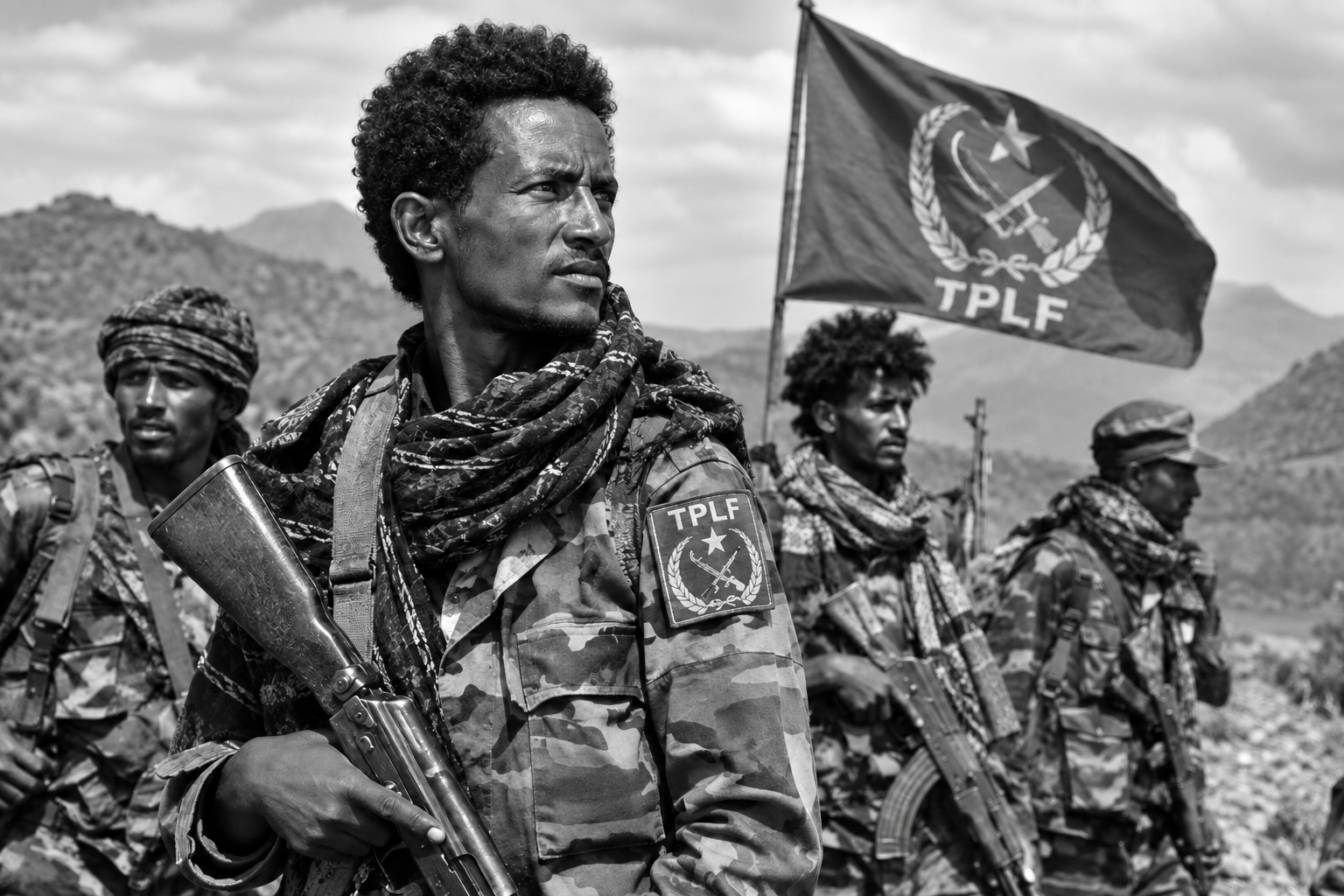
Renewed War in Northern Ethiopia
The article examines the renewed war in northern Ethiopia following the resumption of open fighting between Ethiopian federal forces and Tigrayan forces on 22–23 September 2026. It traces the collapse of the Pretoria peace agreement, the emergence of a new alliance linking the TPLF with Fano and other regional armed groups, and the resulting shift in Ethiopia’s conflict dynamics. The report assesses the risk of a prolonged war across Tigray, Afar and Amhara, while highlighting the potential involvement of Eritrea and the threat to the strategic Addis Ababa–Djibouti corridor. It also considers the humanitarian, regional and operational implications, including displacement, disrupted air travel and communications, supply chain risks, and increased kidnapping and security threats.
Read More Read Less
FIFA 2025
The 2026 FIFA World Cup, scheduled from 11 June to 19 July 2026 across the United States, Mexico, and Canada, represents the largest tournament in FIFA history with 48 teams and 16 host cities. The event’s geographic dispersion, extended duration, and unprecedented scale create a complex and multi-layered threat environment. Unlike previous tournaments concentrated in one country, the tri-national structure introduces cross-border vulnerabilities, uneven security capabilities, and logistical challenges. The tournament will generate dense concentrations of spectators not only inside stadiums but across fan zones, transport hubs, hospitality venues, and public gathering areas, significantly expanding the attack surface.
Read More Read Less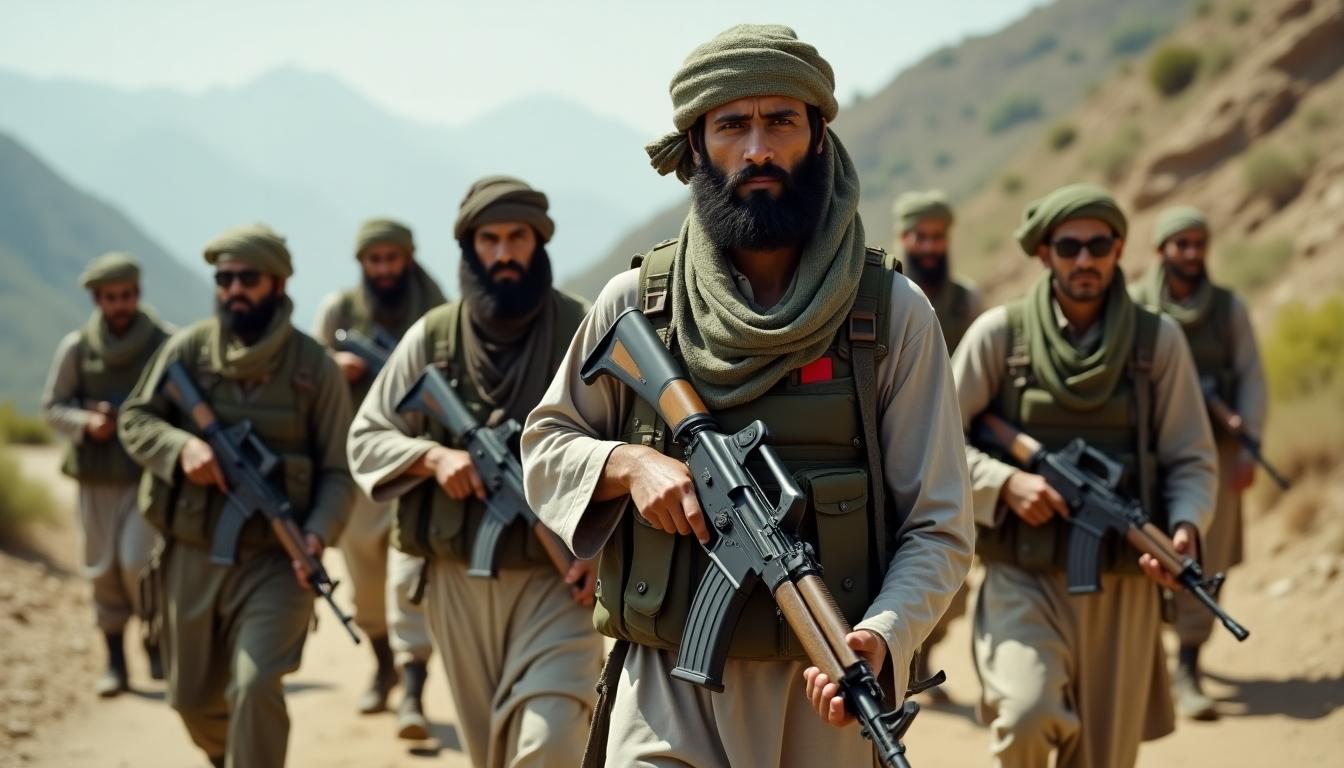
Durand Line on the Brink: Pakistan and the TTP Conflict
The article examines the escalating confrontation between Pakistan and Afghanistan’s Taliban authorities, driven by Islamabad’s claim that the Tehreek-e-Taliban Pakistan operates from Afghan territory to launch high-casualty attacks inside Pakistan. It outlines the TTP’s origins, ideology, leadership evolution, and resurgence following the Taliban’s return to power in Kabul in August 2021, as well as its strategic objective of undermining Pakistan’s state authority. The piece details Pakistan’s expanding military response, including airstrikes reaching Kabul and Kandahar in February 2026, and Afghanistan’s retaliatory measures, framing the crisis as a sanctuary dispute with significant regional implications. It concludes by assessing likely pathways ranging from sustained tit-for-tat conflict to negotiated de-escalation, while emphasizing the structural dilemma that makes prolonged instability along the Durand Line the most probable outcome.
Read More Read Less